Table Of Content

The style spread quickly across the United States via widely-published Victorian pattern books, many still available in reprints. With low roofs, wide eaves, and ornamental brackets, Victorian Italianate houses are reminiscent of an Italian Renaissance villa. In addition, recent design trends have incorporated Gothic style or created looks like Goth cottagecore.
Gothic Revival in the other decorative arts
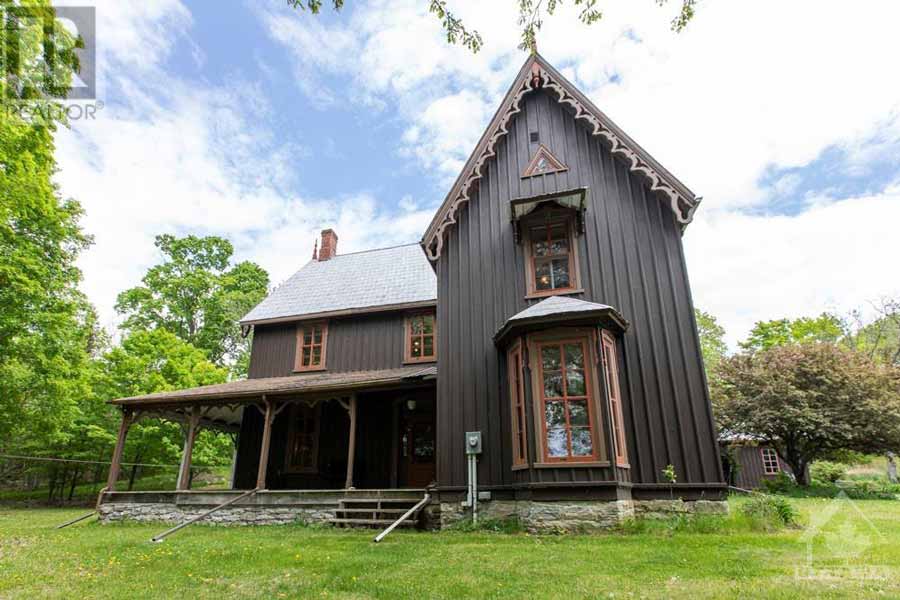
Built in 1883, original woodwork, hardwood floors, 3 fireplaces, updated kitchen, 4 bedrooms, 4313 square feet. A true Gothic Revival style Victorian will come out of the mid-19th century. It was a time in American architecture fascinated with medieval aesthetics and design.
Latest Entertainment & Arts
Because of Richardson's great influence on American architecture, his 1877 Trinity Church in Boston, Massachusetts has been called one of the ten buildings that changed America. The most representative architect of Victorian architecture is George Gilbert Scott. More than any other architect, Scott’s work encapsulated the variety, innovation, morality, and grandeur that characterized Victorian architecture. Scott was a leading proponent of the Victorian Revival style, designing prominent buildings, including the Albert Memorial in London and St Pancras railway station.
Who is the most representative architect of Victorian architecture?
The Gothic Victorian is characterized by its elegant and sophisticated design that features intricate details and ornate carvings. This architectural style is known for its steep-pitched roofs, pointed arches, and elaborate tracery that creates a lace-like effect. The Gothic Victorian house also features asymmetrical facades and varying rooflines that give it a unique and interesting appearance. The Carpenter Gothic style is a simplified version of the architectural movement that still embraces some of the most prominent Gothic details. This style may also be called “Rural Gothic” or “American Gothic.” These homes aren’t made with stone, instead have vertical board and batten siding.
Victorian etiquette required different rooms for different activities. Therefore, the parlor (or first living room) was used to entertain guests or for courtship, so both genders used this room. The library, study, or billiards room was typically (second living room) only reserved for men's activities. The number of bedrooms depends on the square footage of the Victorian house floor plan and the design of the house.
Gothic Victorian Homes: What’s The Real Story?
During that period, a distinct form of residential architecture was developed and became popular. Here are a few of the most popular house styles—known collectively as Victorian architecture. The Gothic Revival was a love note to older times and was supported by those against this industrial shift.
The couple separated and Bessie converted the richly ornamented home into a boarding house. Many of the house's original interior features are still intact, including wainscoting in the foyer that is pressed paper made to look like embossed leather. The house is now part of the Heritage Square Museum in Montecito Heights. The arrival of central heating systems and decorative cast iron radiators also transformed interiors. Wood remained essential but steam-powered sawmills enabled cheaper sawn timber.
A Gothic Revival Decorators' Show House: 'We have never designed a home like this before' - Buffalo News
A Gothic Revival Decorators' Show House: 'We have never designed a home like this before'.
Posted: Mon, 27 Feb 2023 08:00:00 GMT [source]
The Victorian era witnessed advances in science and industry, but Gothic Revival architecture suggested a longing for earlier spiritual certainties. Stained glass, stone carvings and spires reaching to the heavens reflected this. Socially, the proliferation of architectural styles and housing types correlated with both industrialization and class divides. Terraced workers’ cottages contrasted sharply with upper-middle-class detached villas. Yet improved transport enabled the mass production of building materials, making housing accessible to more classes.
Philly's spookiest Victorian-era buildings - Philadelphia - Curbed Philly
Philly's spookiest Victorian-era buildings - Philadelphia.
Posted: Wed, 31 Oct 2018 07:00:00 GMT [source]
You may also see medieval ideas such as Gothic windows and exposed trusses. And, of course, you'll find lots of brackets, spindles, scrollwork and other machine-made building parts. Victorian-era architecture was emblematic of the new American ingenuity and prosperity.
However, this prioritization of verticality meant that the soaring ceilings were typically accompanied by long, narrow rooms. This is definitely a stark contrast to many modern homes, which feature modest ceiling heights paired with sprawling rooms that stretch horizontally across the property, taking up a much larger footprint than their Victorian counterparts. As Realtor explains, they're also known for additions such as towers, turrets, and large wrap-around porches. There are lots of ways to create a Gothic interior design even if you don’t have a Gothic Revival home. There are some common features you’ll find in a Gothic Revival house, such as arches throughout the home, whether that’s the window casings or in hallways. Many homes also have crown molding, vaulted ceilings, and intricate woodwork.
Overall, you just have to be mindful of how you want your space to feel. True Victorian enthusiasts might embrace the inspiration of the era, bringing in some of the preferred textiles, colors, and architectural details to create a home that feels like a blast from the past. Others may prefer a more modern approach, sprinkling in some Victorian-inspired pieces to add character and visual interest to an otherwise fairly standard, modern space. The prevalence of dark, saturated colors is another reason that many Victorian interior spaces seem rather dark to modern viewers, who are accustomed to homes painted in airy shades of beige, white, or gray. This drama was enhanced with accompanying design features such as wallpapers and upholstery, all of which carried through those saturated, dark tones. If you absolutely adore Victorian structures that have a hint of a spooky vibe, your Victorian style of choice just might be Gothic Revival.
Gothic elements and a more traditional worldview spurred the revival of this old-world architectural style. Built in 1899 for the artist and socialite Sarah Posey, this fantastical home was bought only a year after Posey settled in by the legendary oil magnate EL Doheny and his wife Estelle. This American Foursquare house (with Richardson Romanesque influences) was designed by famed architect Frederick L. Roehrig in 1895. One of the oldest surviving Roehrig houses, it was situated on the ultra-fashionable “Millionaire's Row” in Pasadena. A reaction to fussy Victorian styles, American Foursquare emphasized boxy lines, “honest” carpentry and plain facades. It is considered a cousin to both the Prairie and Craftsman styles of architecture.


No comments:
Post a Comment